


🇭🇰 The Ultimate Family Guide to Hong Kong Food: Must-Try Kid-Friendly Dishes & Local Tips (2026)
- 14 hours ago
- 8 min read
Honestly, all my best memories of Hong Kong involve eating... Whether it’s a massive Dim Sum feast with my whole family, or grabbing a quick bite at a Cha Chaan Teng with my cousin while wandering the city streets.

The truth is, Hong Kongers are absolutely obsessed with food. Now, full disclosure: I’m definitely the least foodie person in my family, but I still truly cherish a good meal in my hometown.
If there’s one place on Earth where your taste buds feel like they’re at a theme park, it’s Hong Kong. Forget everything you know about standard 'Chinese takeout' if you grew up in the West, this is in a completely different league. We're talking about food that chinese people travel here specifically to eat. I’m not even exaggerating when I say Hong Kong’s food scene is one of the most delicious in the world!
In this post, we’re breaking it all down: what to eat, where to find it, and how to order. We’ve put this guide together for anyone new to Cantonese food culture, and we really hope you find it helpful! 💜
點心 Dim Sum / 飲茶 Yum Cha
First things first: you’ll find restaurants all over the city serving Dim Sum or Yum Cha (which literally means 'drinking tea' while sharing small plates). In Hong Kong, it’s the ultimate family ritual on weekend mornings: a time to catch up, eat well, and sip tea together. And since Hong Kong has an aging population, just like much of Asia, you’ll see plenty of retirees enjoying their morning routine here during the week, too.
So, what exactly is Dim Sum? Think of them as bite-sized delights, either steamed in bamboo baskets or fried. It’s actually very similar to the Spanish 'tapas' concept. Since the portions are small but high quality, you get to explore a huge variety of textures and flavors in a single sitting.
A quick guide to Dim Sum etiquette:
Sharing is caring: Every dish that hits the table is for everyone. We don't really do 'individual' plates here.
The 'Me First' No-Go: Always make sure others have had their share before you reach for seconds of your favorite dish.
Respect your elders: One of my favorite parts of our culture is how we honor the older generation at the table. It’s common courtesy to ask them if they’d like a piece before helping yourself.
Be the Tea Hero: Keep an eye on everyone’s cups! It’s polite to refill others' tea whenever they're running low.
The 'Tea Tapping' Trick: If someone serves you tea, just give the table two quick taps with your index and middle fingers. It’s our local way of saying 'thank you' without interrupting the conversation.
The Napkin Situation: Most of these traditional spots don't actually provide napkins. Do yourself a favor and carry a little pack of tissues or wet wipes in your bag, you'll most likely need them!

The "Must-Eat" Dim Sum Checklist
"Here are the absolute heavy-hitters you can’t leave the table without trying. I’ve included the names in Chinese and the Cantonese pronunciation so you can order like a pro!"
Dish (English) | Chinese | Cantonese | The Lowdown |
Shrimp Dumplings | 蝦餃 | Ha-gau | Crystal-clear skins with plump, juicy shrimp inside. A true classic. |
Siu Mai (Pork Sacks) | 燒賣 | Siu-maai | Open-faced pork and shrimp dumplings, usually topped with tiny crab roe. |
BBQ Pork Buns | 叉燒包 | Cha-siu-baau | Fluffy, cloud-like white buns stuffed with sweet and savory BBQ pork. |
Rice Noodle Rolls | 腸粉 | Cheung-fun | Silky smooth rice sheets rolled with shrimp or beef and drizzled in sweet soy sauce. |
Sticky Rice in Lotus Leaf | 糯米雞 | Lo-mai-gai | Hearty glutinous rice with chicken and mushrooms, wrapped in a fragrant lotus leaf. |
Phoenix Talons | 鳳爪 | Fung-jaau | Braised chicken feet in black bean sauce. Super traditional and surprisingly tender! |
Radish Cake | 蘿蔔糕 | Lo-baak-gou | Savory turnip and rice flour cakes, steamed then pan-fried for that perfect golden crust. |
Lava Custard Buns | 流沙包 | Lau-sa-baau | Watch out! These are filled with an oozing, molten salted egg yolk cream. |
Custard Buns | 奶黃包 | Nai-wong-baau | Steamed buns filled with a sweet, creamy custard (similar to pastry cream). |
Beef Balls | 牛肉球 | Ngau-yuk-kau | Large, tender beef meatballs seasoned with citrusy orange peel. |
Choosing Your Tea (The Real "Yum Cha" Experience)
The first thing they’ll ask you at any Dim Sum spot is: 'What tea are you having?' Don’t panic! Here are the most popular picks to help you wash down all those dumplings:"
Tea Type | Chinese | Cantonese | Flavor Notes |
Jasmine Tea | 香片 | Heung-peen | Light, floral, and super easy to drink. A crowd favorite. |
Pu-erh Tea | 普洱 | Pou-lay | Dark, earthy, and fermented. It’s the ultimate 'digestive' tea for fried food. |
Tieguanyin | 鐵觀音 | Tit-gun-yum | A premium Oolong. Strong floral aroma with a smooth, lingering finish. |
Chrysanthemum | 菊花 | Guk-fa | Naturally sweet and refreshing. Pro-tip: Mix it with Pu-erh (ask for 'Guk-po') for the best of both worlds. |
Oolong Tea | 烏龍 | Wu-lung | Semi-oxidized green tea. The perfect balance between body and freshness. |
茶餐廳 Cha Chaan Teng

The Cha Chaan Teng Hall of Fame
If Dim Sum is the heart of Hong Kong, the Cha Chaan Teng (Hong Kong-style cafes) is its soul. This is where you find the comfort food that keeps the city running. Here are the absolute must-orders:
The Roast Meat (Siu Mei)
You’ll see these hanging in the windows of specialized shops and cafes.
Roast Goose (燒鵝 - Siu-ngo): The crown jewel of HK meats. You have to try it at legendary spots like Yat Lok. It’s rich, fatty, and incredibly flavorful.
BBQ Pork (叉燒 - Char-siu): Iconic caramelized pork with that perfect sweet-and-savory glaze.
Crispy Roast Pork (燒肉 - Siu-yuk): Roasted pork belly with a skin so crunchy it sounds like a cracker when you bite into it.
Roast Duck (燒鴨 - Siu-aap): More affordable than goose but equally delicious and a staple in any local lunch box.
💡 Pro-Tip: Can’t decide? Ask for 'Three Treasures' (三寶 - Saam-bou). It’s a platter served with white rice that lets you try three different types of roast meats in one go.
The Comfort Classics
Wonton Noodles (雲吞麵 - Wan-tan-min): Springy egg noodles served in a light, savory broth with plump shrimp and pork dumplings.
Satay Beef Instant Noodles (沙爹牛肉公仔麵): This is the true 'Breakfast of Champions' in HK. It’s comforting, savory, and surprisingly addictive.
Pineapple Bun (菠蘿包 - Bo-lo-baau): Fun Fact: There is actually NO pineapple in this bun! Its name comes from the sugary, crunchy topping that looks like a pineapple's skin. Ask
for it with a thick slab of cold butter inside (called Bo-lo-yau) for the ultimate experience.
HK-Style French Toast (西多士 - Sai-do-si): Forget your healthy diet for a second. This is a deep-fried peanut butter sandwich topped with a mountain of butter and drizzled with golden syrup or condensed milk. It’s messy, and absolutely heavenly.

The "Cha Chaan Teng" Drink List
In Hong Kong, the drinks are just as iconic as the food. Whether you need a morning caffeine kick or a sweet treat for the kids, here’s how to order your beverage like a local:
Drink (English) | Chinese | Cantonese | Description |
HK Style Milk Tea | 奶茶 | Naai-cha | Super strong black tea with evaporated milk. Unbelievably creamy. |
Yuenyeung (The Mix) | 鴛鴦 | Yuen-yeung | A unique HK blend of coffee and milk tea. Trust me, it works! |
Lemon Tea | 檸茶 | Ling-cha | Strong black tea with thick lemon slices. A local staple. |
Local Coffee | 咖啡 | Gaa-fay | Strong, local-style coffee, usually served with evaporated milk. |
Horlicks / Ovaltine | 好立克 / 華田 | Hou-lik-kak / Wa-teen | Malty, comforting drinks that are absolute kid favorites. |
Honey Lemon | 檸蜜 | Ling-mat | Simple and soothing—hot or cold water with honey and fresh lemon. |
Red Bean Ice | 紅豆冰 | Hung-dau-bing | A sweet, icy treat with red beans and milk. My son’s personal favorite! |
How to Customize Your Order
Ordering in a busy HK cafe can feel overwhelming. Use these 'cheat codes' to get your drink exactly how you like it:
Hot: Yit (e.g., Yit Naai-cha)
Iced: Dung (e.g., Dung Naai-cha)
No ice (but chilled): Chau-bing (走冰)
Less ice: Siu-bing (少冰)
No sugar: Chau-tóng (走糖)
Less sugar: Siu-tóng (少糖)
💡 Extra Tip: If you order an Iced Lemon Tea (Dung Ling Cha), you’ll notice it comes with a forest of lemon slices and a long spoon. Do as the locals do: use the spoon to vigorously smash the lemons against the bottom of the glass. This releases all that zesty citrus flavor into the tea.
Hong Kong Street-food
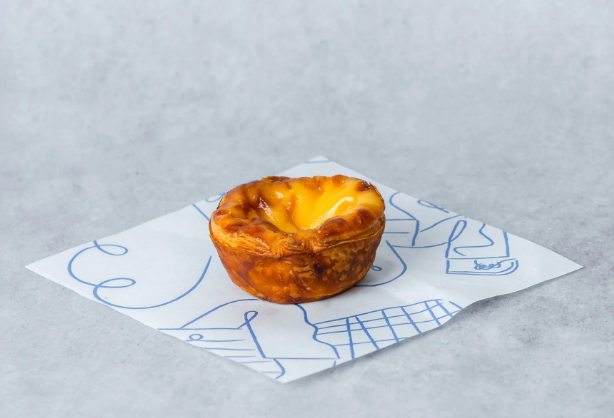
Egg Tarts (蛋塔): Inspired by Portuguese pastéis de nata, these have a flaky, buttery crust and a silky egg custard filling. You’ll find them at Dim Sum spots, Cha Chaan Tengs, and bakeries. You will also see the lines to buy egg tarts at places like: Bakehouse, Hashtag B, and Vission Bakery as they are made popular thanks to social media. (You can look them up on Google Maps!)
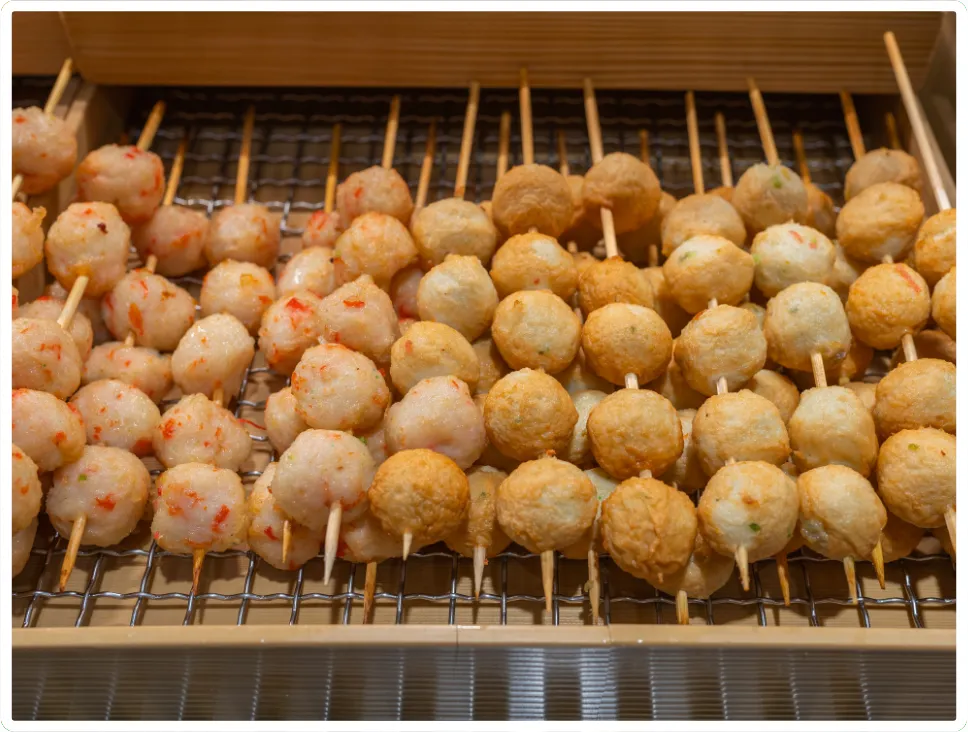
Fish Balls (魚蛋): The ultimate HK street snack. They’re springy, bouncy, and usually served on skewers drenched in a spicy curry sauce.
Mango Pomelo Sago (楊枝甘露): A refreshing dessert soup with mango, pomelo pith, and tiny sago pearls.

Tofu Fa (豆腐花): A silky-smooth tofu pudding served with ginger syrup or yellow sugar. Simple and comforting.

Egg Waffles (雞蛋仔): Known as "bubble waffles," these are crispy on the outside and chewy on the inside.

Steamed Milk Pudding: My absolute favorite! You have to try Ye Shun Milk Pudding near Causeway Bay. It’s incredibly creamy and a true HK staple)

Home-Cooked Goodness

While not everyone gets the chance to sit down for a home-cooked dinner in Hong Kong, I truly wish you could! It’s the most authentic version of our food. Served in small, crowded apartments but filled with so much love.
Even if you don't have a beloved relative that will invite you for a homemade meal, look for these traditional dishes in local restaurants to get a taste of home:
Soup: In a Hong Kong home, soup is non-negotiable. These are 'slow-cooked' broths simmered for hours with healthy ingredients like bitter melon, red dates, or pork bones. They are prepared according to the season to 'balance' the body.
Steamed Whole Fish (蒸魚): Usually seasoned with ginger, scallions, and a splash of soy sauce.
Seasonal Greens: Quickly stir-fried Choy Sum, Kai-lan, or Bok Choy with garlic or oyster sauce.
White Cut Chicken (白切雞): Poached chicken served with a signature ginger and scallion oil.
Steamed Spare Ribs (排骨): Bite-sized ribs marinated with garlic and savory fermented black beans (douchi).
Sweet and Sour Pork: The real Cantonese version! Famous for its perfect balance of tanginess, stir-fried with peppers and pineapple.
Seafood Feasts: My family loves fresh shrimp, and in the winter, we gather for Hot Pot (打邊爐), cooking everything together in a simmering pot of flavorful broth.
A Few More "Insider" Tips
The Cutlery Rinse: At many traditional spots, you’ll be given a bowl of hot water or an extra pot of tea. Wait! Don't drink it! It’s for rinsing your own chopsticks and spoons before you eat. It’s a local hygiene habit that we’ve been doing for generations.


We hope you enjoyed this deep dive into Hong Kong's food scene! Whether you're planning your first trip or just dreaming of your next meal, I hope these tips help you navigate our delicious city like a local.
Follow us on Instagram for more worldschooling adventures, and feel free to share this guide with your friends and family! 💜


Comments